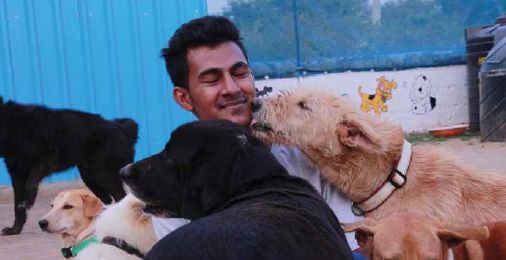
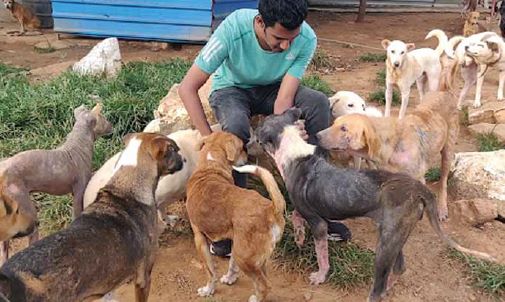
Sarvoham Animal Foundation is dedicated to the help and welfare of street animals in Bangalore. Established in April 2017 by co-founders Haris Ali and Madhusmita Sahu, it has grown from a small charity to a welfare organization which has rescued more than 2,500 street animals and houses more than 200 dogs. Haris Ali, the founder in talks with Buddy Life.
1. How and when did you start Sarvoham Animal Foundation?
Sarvoham Animal Foundation was established in 2017 with the vision of providing care and support to animals in need. The initial years presented challenges in raising funds and establishing a shelter infrastructure. However, as time passed and the organization’s commitment and genuineness became evident, the public began to place their trust in Sarvoham’s mission. This trust marked a turning point, leading to increased donations and support from compassionate individuals who resonated with the cause. During the formative years, from its inception until around the fourth year, the primary source of funding to run the shelter was provided by Haris Ali. His dedication to the cause saw an investment of approximately 1 crore rupees. This financial contribution played a critical role in laying the foundation for Sarvoham’s operations and ensuring that the shelter could provide the necessary care and support to the animals under its care.
As the organization gained credibility, transparency and a track record of positive impact, the public’s willingness to contribute financially grew. This allowed Sarvoham to expand its operations, improve its infrastructure and offer better medical care, rehabilitation and support services to a growing number of animals.
2. How many animals does your shelter have, and what is the number of people who look after them?
Currently, Sarvoham Animal Foundation provides shelter and care for over 200 rescued dogs. The dedicated team
that looks after these animals consists of more than 20 members, including a medical team. This compassionate and skilled team works tirelessly to ensure the wellbeing, health and rehabilitation of the dogs under the organization’s care. The combined efforts of the staff contribute to creating a nurturing environment where these rescued dogs receive the attention, medical support and love they need to thrive.
3. What are the medical facilities that you have for the occupants?
At Sarvoham Animal Foundation, we have established comprehensive medical facilities to cater to the health and well-being of the animals under our care. These medical facilities include:
1. In-House Medical Surgeon: We have a full-time medical surgeon on staff who is experienced in providing a range of medical treatments, performing surgeries and care for animals.
2. Medical Equipment: Our medical infrastructure includes essential diagnostic equipment such as CBC (Complete Blood Count) machines, X-ray machines and Biochemistry analysers. These tools allow us to perform accurate diagnostics and assessments.
3. Surgical Capabilities: With a well-equipped operation theatre, we can perform a variety of surgical procedures on-site. This includes routine surgeries like spaying and neutering, as well as more complex procedures that might be required for injured or ill animals.
4. Medication and Treatments: Our medical team administers necessary medications, treatments, and therapies to ensure the animals receive appropriate care for various health conditions.
5. Vaccinations and Preventive Care: We provide vaccinations to prevent the spread of diseases among our shelter residents. Preventive care measures are taken to maintain the overall health of the animals.
6. Isolation and Quarantine Facilities: In cases of contagious illnesses, we have isolation and quarantine areas to prevent the spread of diseases and ensure the well-being of all animals.
7. Veterinary Care Plans: Each animal receives a tailored veterinary care plan, ensuring that their specific medical needs are met and they receive the attention required to regain their health.
8. Emergency Response: We have a dedicated ambulance to swiftly respond to emergencies and transport animals to our medical facilities when needed. Our commitment to providing comprehensive medical facilities underscores our dedication to the health and welfare of the animals in our care. By offering a range of medical services and treatments, we strive to ensure that each animal receives the best possible care to recover and thrive.
4. Who are your donors? What is the largest donation you have received to date?
Our generous donors have played a pivotal role in supporting Sarvoham Animal Foundation’s mission to provide care and compassion to animals in need. Among these donors, we are truly grateful for the significant contribution made by Sudha Murthy, the esteemed founder of Infosys. Her support has been instrumental in helping us further our cause and expand our efforts to improve the lives of animals under our care. While we deeply value contributions from all us donors, it’s worth mentioning that the largest donation we have received to date came from Sudha Murthy. Her generosity has allowed us to enhance our operations, improve our facilities and offer better medical care, rehabilitation, and support services to the animals entrusted to us. We are humbled by her support and the contributions of all our donors, as they enable us to make a lasting impact in the world of animal welfare.
5. What are your plans for expansion?
Our plans for expansion at Sarvoham Animal Foundation are driven by our unwavering commitment to enhancing the well-being of animals and promoting compassionate animal welfare. While each step forward is carefully considered, some of our potential plans for expansion include:
1. Shelter Capacity: We aim to increase our shelter’s capacity to accommodate a larger number of animals in need. This includes constructing additional kennels and creating comfortable living spaces to provide optimal care.
2. Medical Facilities: Expanding our medical facilities is a priority. This involves acquiring advanced medical equipment, ensuring a dedicated and skilled medical team, and offering a wider range of medical services to address various health conditions.
3. Outreach Programs: We plan to extend our outreach efforts to cover more communities, raising awareness about responsible pet ownership, animal welfare, and the importance of spaying and neutering.
4. Mobile Clinics: Introducing mobile veterinary clinics will enable us to provide medical care to animals in remote areas that lack easy access to veterinary services.
5. Education Initiatives: We envision scaling up our educational programs to reach more schools, colleges and community centres. This includes workshops, seminars and campaigns to promote empathy and understanding towards animals.
6. Research and Collaboration: Collaborating with researchers, veterinarians and experts can help us implement evidence-based practices, improve our operations and contribute to the field of animal welfare.
7. Sustainable Funding: Developing sustainable funding models, such as membership programs, partnerships with corporations and long-term donors, will ensure consistent financial support for our operations.
8. Advocacy and Policy Change: We aspire to have a greater impact on animal welfare policies by advocating for stronger legal frameworks that protect animals and promote their well-being.
9. International Collaboration: Exploring collaborations with international animal welfare organizations can provide us with new perspectives, ideas and opportunities for growth.
10. Holistic Approach: Expanding our focus beyond dogs to include other animals, such as cats, birds and livestock, will allow us to extend our care and services to a wider range of animals in need. Our expansion plans are guided by our core values, a commitment to responsible animal care and the welfare of the communities we serve. As we continue to grow, we remain dedicated to making a positive and lasting impact on the lives of animals and fostering a more compassionate and humane world.
6. A rescue you remember vividly?
One rescue that remains vivid in memory took place on December 31, 2016, when Haris Ali encountered a canine distemper-afflicted dog on his way to the office. The dog was desperately seeking help, yet people ignored her pleas and didn’t even provide water. This heartbreaking sight shocked Haris Ali, leading him to call several rescue centres for assistance, but unfortunately, none came to the rescue. Determined to make a difference, he took matters into his own hands and rescued the dog, whom he named Whity. Haris Ali personally rushed Whity to the nearest hospital, ensuring she received the medical treatment she needed. This powerful experience of witnessing neglect and taking action to save a life inspired Haris Ali to continue his efforts in animal rescue, eventually culminating in the establishment of Sarvoham Animal Foundation. Whity’s rescue symbolized a turning point that fuelled Haris Ali’s passion for animal welfare and drove him to make a lasting impact on the lives of animals in need.
7. Adoption from animal shelters is yet to take off in a big way. What are the hurdles you face in getting the animals adopted?
The adoption of animals from shelters is indeed a noble endeavour, but several hurdles contribute to its slower adoption in a broader context. Some of the challenges that organizations like Sarvoham Animal Foundation may face in getting animals adopted include:
1. Misconceptions: There are often misconceptions about shelter animals, including assumptions about their behaviour, health, and past experiences. These misconceptions can deter potential adopters from considering shelter pets as viable companions.
2. Breed Preferences: Many people have specific breed preferences, often influenced by trends and perceptions of certain breeds. Shelter animals may not always fit these preferences, which can limit their adoption prospects.
3. Age Bias: Some adopters favour puppies or kittens, assuming that older animals might have health issues or behavioural problems. This age bias can make it challenging for older animals to find homes.
4. Emotional Attachment: People might form emotional attachments to specific animals or breeds due to personal experiences or cultural influences, making them less open to considering other animals.
5. Limited Exposure: Shelter animals might have limited exposure to potential adopters due to limited resources for marketing and outreach. This can hinder the chances of finding suitable homes.
6. Time Commitment: Adopting a pet requires a significant time commitment for training, socialization, and care. Some potential adopters might be hesitant to make this commitment.
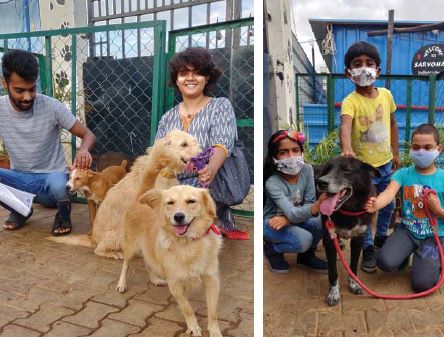
7. Adoption Process: Some potential adopters might find the adoption process daunting, including application procedures, home visits, and interviews. To overcome these hurdles, animal shelters and organizations often engage in educational campaigns to debunk myths, highlight the benefits of adopting shelter animals, and showcase success stories.






















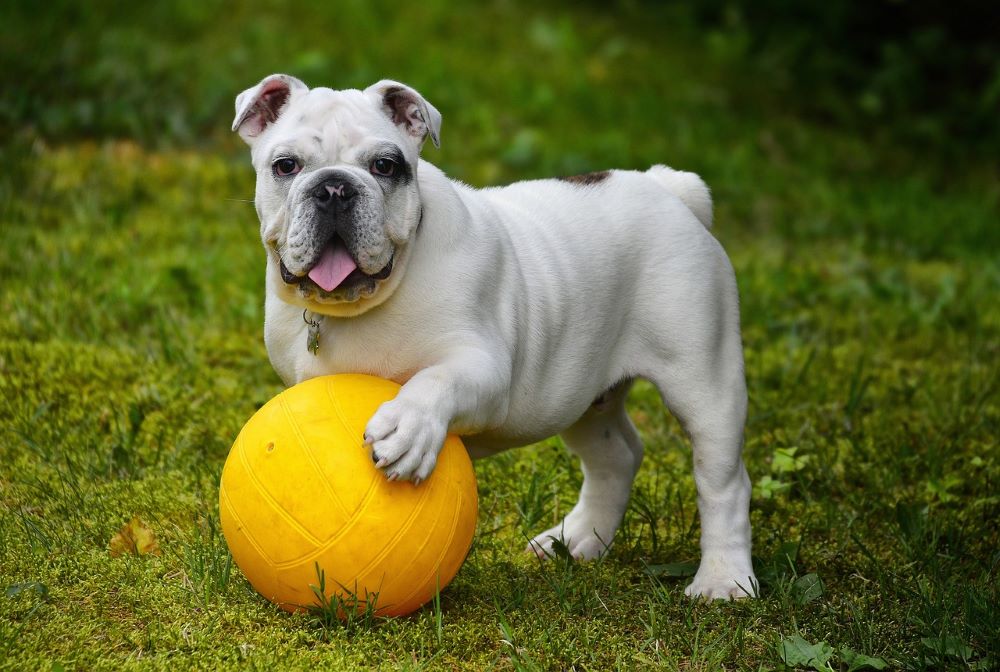



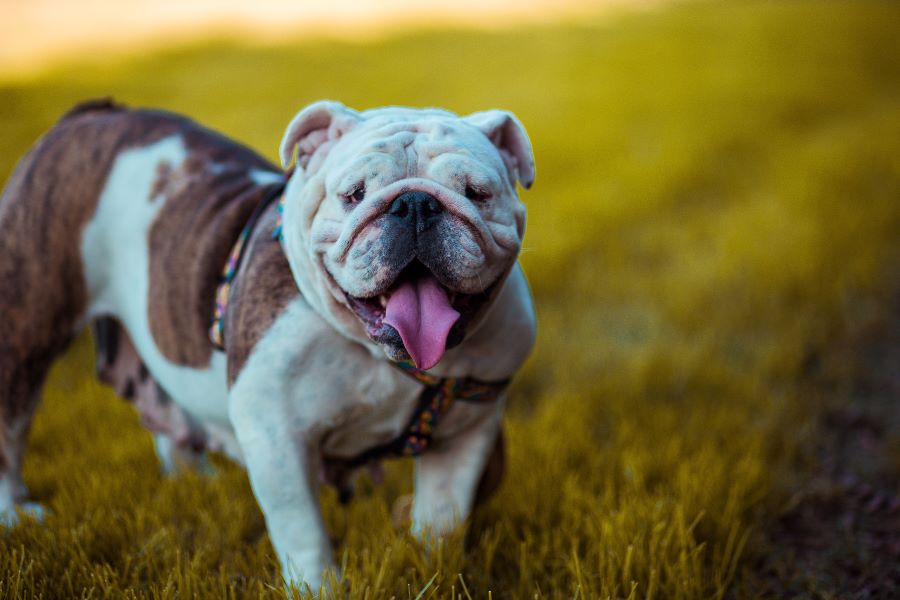
 Popularity: Bulldogs have gained immense popularity around the world. They have become a symbol of tenacity and strength and are often associated with resilience and determination. In recognition of their significance, the bulldog has been adopted as a mascot by numerous sports teams, organizations, and universities.