Posted on

Hair tangle in Summer

With sweaty season, your pupper’s hair struggles are about to begin, says Divya Tanith.

While you are chilling in the shade, your pup’s struggles just hit a high. Tangled, knotted fur is among the biggest hurdles that wreaks havoc on pets. Unfortunately, your season of sun and fun can turn your pet’s radiant coat into a mess of mats. Let’s break down why this happens and how you can make life easier for your fur baby. However, there is a spoiler alert: It’s easier than you think!

Truth about summer mats

What makes the smooth, silky, and luscious fur into a tangled mess? Let us break it down.

Heat and Humidity = Frizz and Tangles.

If you are a woman, you know what humidity can do to those lovely tresses. If you are a man, let us educate you! Hair reacts to humidity, making it a sticky mess. Sweat adds to the drama and leads to tangles that will not budge. They seem to have a life of their own.

Beach Day Spells Trouble  

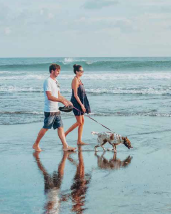
Dogs love water (well, some of them) and have a blast in swimming pools and beaches. But wet hair is the perfect set-up for a tangled mess. It is the recipe for matting you just cannot avoid. As the fur dries, it becomes knotted and hard to Smoot h out.  Imagine leaving your air in a messy bun after a hair wash day! Yes, now you get it.

Shedding Seasons is Upon Us

Summer is here; you must be prepared. Summer means shedding. All the loose hair clumps together, forming unmanageable mats. These clumps can get out of control very soon if not brushed regularly.

When Mess Gets Messier

Dogs love getting dirty and messy, it is truly their birthright. Wiggling on mud and laying on grass are just things that bring them unconditional joy. Before you know it, their fur is a tangled mess of summer souvenirs.

Why Are Mats such a big deal?

A few tangles here are expected; they are dogs, after all. But here’s why mats can become a serious nuisance:

Overheating Mess – Mats trap heat! Our poor fur babies really struggle to stay cool during summers and these mats make it worse. It can raise health concerns if they stay heated for too long.

Skin Concerns – Mats can pull against the skin, causing minor injuries that may go unnoticed. The skin may get infected or cause redness and discomfort.

Infections – Fungus and bacteria love moisture. Moisture and dirt can become the perfect breeding ground for bacteria.

Restricted Movements – Matted fur can become heavy, cover eyes and make it extremely uncomfortable to walk and play.

How to Keep Your Dog’s Coat Free of Mats Now that we have established that matted fur is theenemy, let us understand ways to tackle it.

Brush Away: Some solutions are simpler than you think. Brushing your fur baby regularly, especially after a beach or a play session, can really help. As a practice, brush your dog’s fur a few times a week.

Trim During Summers: While your fur baby may not love the look, it sure keeps them comfortable. A good trim is one of the easiest ways to deal with mats and the problems that come with it.

Hydrate: The benefits of ensuring your dogs are well hydrated are understated. Drinking plenty of water and adding omega 3’s into their diets can help maintain coat health.

Keep an eye out for mats: It takes less than two minutes daily to thoroughly check your fur baby formats. Ensure you check everywhere to avoid any surprises.

Do Your Pooches Already Have Mats?

If you have caught yourself in a catch-22 and your dogs have already become a matted mess, do not fret. We are here to help. Here are three things you can do.

Use a detangling spray to loosen the knot.

Work through the mat slowly with a de-matting comb.

Avoid cutting mats out. It is easy to nick the skin.

If it is too tough to remove, visit a groomer for safe mat removal.

Key Takeaways

Summer fun does not have to mean fur struggles. With a little care, you can keep your dog’s coat healthy, tangle-free and ready for all the adventures.

Posted on

Healthy Skin, Happy Pup: How to Moisturize Your Dog’s Dry, Flaky Skin

Just like humans, dogs can suffer from dry, flaky skin. This can be uncomfortable for your furry friend and may lead to excessive scratching, irritation, or even infections if left untreated. Fortunately, with proper care and a consistent moisturizing routine, you can help restore your dog’s skin to a healthy, hydrated state.

What Causes Dry Skin in Dogs?

Before diving into remedies, it is important to understand what might be causing your dog’s dry skin. Common culprits include:

  • Weather changes: Cold, dry winter air or excessive indoor heating can strip moisture from your dog’s skin.
  • Frequent bathing: Overbathing, especially with harsh shampoos, can disrupt the natural oils on your dog’s skin.
  • Allergies: Environmental allergens (like pollen or dust mites), food sensitivities, or reactions to grooming products can trigger dryness.
  • Parasites: Fleas, mites, and ticks can cause itching and flaking.
  • Underlying health issues: Conditions like hypothyroidism or autoimmune disorders may contribute to skin dryness.
  •  

If your dog’s symptoms persist or worsen, consult your veterinarian to rule out medical issues.

How to Moisturize Your Dog’s Skin

Once you have identified and addressed the underlying cause, here is how to safely moisturize and care for your dog’s dry skin.

1. Choose a Moisturizing Shampoo

Opt for a gentle, moisturizing shampoo designed specifically for dogs. Look for ingredients like oatmeal, aloe vera, or coconut oil. These helps soothe irritation and lock in moisture. Avoid shampoos meant for humans, as they often contain fragrances or chemicals that can further dry out a dog’s skin.

Tip: Bathe your dog no more than once every 3–4 weeks unless directed otherwise by your vet. Over washing can worsen dryness.

2. Use a Dog-Safe Conditioner or Leave-In Spray

After shampooing, a moisturizing conditioner or leave-in spray can add extra hydration. Products with ingredients like shea butter, chamomile, or vitamin E can be especially helpful. Gently massage the product into your dog’s coat and skin, then rinse or leave in, depending on the product instructions.

3. Apply Natural Oils

Natural oils are a great way to add moisture between baths. Safe options include:

  • Coconut oil: Apply a small amount directly to dry areas or add a teaspoon to your dog’s food (check with your vet first).
  • Olive oil: A few drops massaged into dry patches can offer relief.
  • Fish oil supplements: Rich in omega-3 fatty acids, these can improve skin health from the inside out.

Always test a small amount first to ensure your dog does not react negatively.

4. Brush Regularly

Brushing not only removes loose hair and flakes, but it also helps distribute natural oils across your dog’s skin and coat. Use a brush suited to your dog’s coat type—soft bristles for short hair, slicker brushes for longer coats.

5. Maintain a Nutritious Diet

A poor diet can lead to skin and coat issues. Make sure your dog is eating high-quality food with adequate omega-3 and omega-6 fatty acids, protein, and essential vitamins. Consult your vet about switching to a skin-supportive formula if needed.

6. Keep Your Home Humidified

Dry indoor air can contribute to skin issues, especially during winter months. Use a humidifier in your home to help maintain moisture levels in the air, benefiting both you and your pet.

Keeping your dog’s skin hydrated is a key part of their overall well-being. With the right products, a consistent grooming routine, and a healthy diet, you can help soothe your dog’s dry, flaky skin and keep them comfortable year-round. If symptoms continue despite your efforts, do not hesitate to seek advice from your veterinarian—your dog’s skin might be trying to tell you something more serious.

Posted on

Dog Hair Fall: Causes, Solutions, and How to Manage It Effectively

A dog’s shiny and healthy coat is a sign of good health, but excessive hair fall can be a concern for pet parents. Shedding is natural, but when it becomes excessive, it may indicate an underlying issue. Understanding the reasons behind hair fall and finding the right solutions can help keep your furry friend’s coat in top condition.

Common Causes of Hair Fall in Dogs

1. Seasonal Shedding

Most dogs naturally shed their fur, especially during seasonal transitions. Breeds with thick double coats, such as Huskies and Golden Retrievers, experience heavier shedding in spring and fall.

2. Poor Nutrition

A dog’s coat health depends on a balanced diet. Lack of essential nutrients like omega-3 and omega-6 fatty acids, proteins, and vitamins can result in weak fur and increased shedding.

3. Skin Infections and Allergies

Bacterial or fungal infections, along with allergies to food, pollen, or dust mites, can lead to excessive hair fall. Allergies often cause itching, redness, and inflammation, making dogs scratch and lose fur.

4. Parasites and Fleas

Ticks, fleas, and mites irritate the skin, causing dogs to scratch and bite themselves excessively. This results in bald patches and uneven hair loss.\

. Hormonal Imbalances

Conditions like hypothyroidism or Cushing’s disease can disrupt hormone levels, leading to thinning fur, bald spots, and dull coats.

6. Stress and Anxiety

Just like humans, dogs experience stress, which can lead to hair fall. Major lifestyle changes, separation anxiety, or lack of mental stimulation can contribute to excessive shedding.

7. Overbathing and Wrong Grooming Products

Frequent baths or using harsh shampoos strip natural oils from a dog’s skin, making the coat dry and brittle. This can cause excessive shedding and skin irritation.

Solutions to Control Hair Fall in Dogs

1. Provide a Balanced Diet

Feed your dog high-quality food rich in essential fatty acids, vitamins, and proteins. Adding supplements like fish oil or coconut oil can improve coat health and reduce shedding.

2. Regular Grooming

Brushing your dog’s coat daily helps remove loose fur and prevents excessive shedding. Use the right type of brush suited for your dog’s breed and coat type.

3. Maintain Skin Health

Check your dog’s skin regularly for signs of infections, redness, or parasites. Keep them on a flea and tick prevention plan to avoid infestations.

4. Use the Right Shampoo

Opt for mild, natural, or hypoallergenic shampoos to keep the skin moisturized. Bathing should be done only when necessary, typically once a month, unless advised otherwise by a vet.

5. Control Allergies and Parasites

Identify and eliminate allergens from your dog’s environment. Regular vet check-ups can help diagnose allergies early. Using anti-flea treatments can prevent parasite-related hair loss.

6. Reduce Stress and Anxiety

Provide regular exercise, interactive toys, and a stable routine to reduce anxiety. If stress-related shedding persists, consider consulting a vet for additional solutions.

7. Visit a Veterinarian for Persistent Issues

If hair fall continues despite these measures, consult a vet for proper diagnosis and treatment. They can check for underlying medical conditions and recommend suitable treatments.

Hair fall in dogs can be managed with proper nutrition, grooming, and regular health check-ups. Understanding the cause behind excessive shedding and taking timely action can ensure your dog stays healthy with a shiny and beautiful coat. If shedding seems excessive or abnormal, don’t hesitate to seek veterinary advice.

Posted on

Groom to make your pet bloom

Regular grooming keeps the pet healthy, happy and hygienic.

We all know grooming is an important part of a pet’s life. Timely and essential grooming keeps the pet healthy, happy and hygienic. With a well-groomed pet, the house can be odor-free, dander can be controlled and there would be less shedding.

Sometimes there are pooches who have hair tangles and the coat becomes dull. With good grooming, and the use of the right products, one can actually keep the four-legged baby squeaky clean and dirt-free to reduce the chances of any infections and skin disease.

As a pet parent it is essential to know when and how to start grooming your pet. This gets easy when you locate a professional pet groomer near you and have a conversation with them about the breed you own and how to go ahead with it.

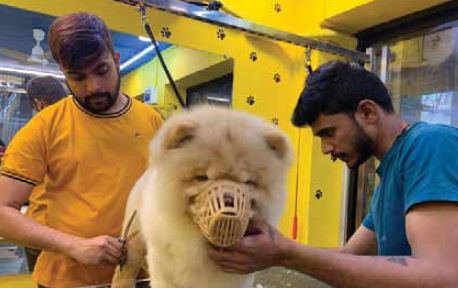
For pet parents living in Mumbai suburbs there is The Good Doggie Pet salon and spa founded by Tanmay Juvekar in 2018 in the heart of Kandivali east Mumbai. “It starts with small steps, touching and playing with the paws, rubbing the ears, petting your pet in a manner that would replicate combing”. In Tanmay’s words,”

Grooming needs time and patience. A sort of trust is built between the groomer and the pet.

You as a new parent must do all that a mother would do for her child”. Understanding the breed in hand, grooming can be a longer process or a quick one. The frequency of baths also depends on the breed and lifestyle of the pet. That being said all breeds must visit the groomer at least once a month. Why? Because grooming is an intimate process and can take hours. It needs time and patience. A sort of trust is built between the groomer and the pet.
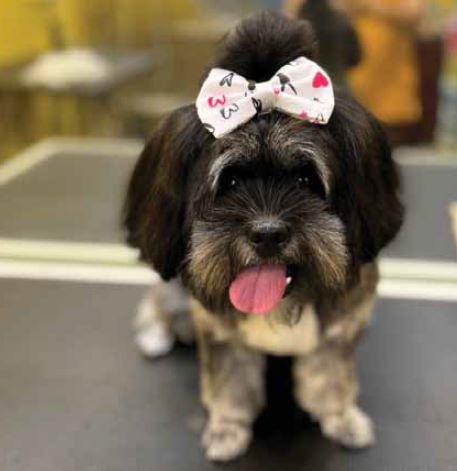
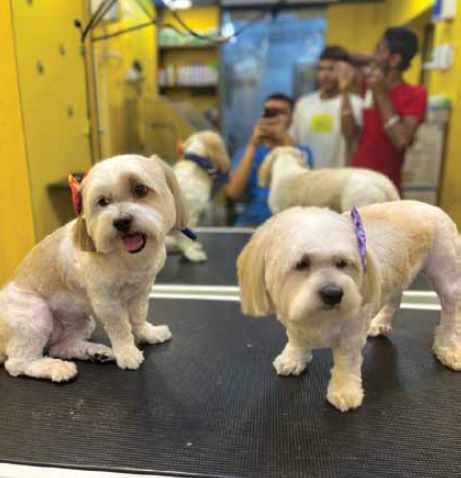
“For all the years that I have been working, I have come to notice that I spend a more attentive time with the pet in the sense, noticing the changes in the pet, be it mentally, physically or their health”, Tanmay further explains, how groomers are the bridge between the pet parent and the vet. A pet owner visits a groomer more often than he visits a vet, that makes the groomer more closely associated with the pet, than the vet. A good groomer will always notice every little change, right from skin infection, limping limbs, growths or deformation on the body, fluctuation in weight to ear and eye infections as well.

While learning grooming and educating oneself to become a certified professional groomer, young groomers are taught about anatomy of cats and dogs, skin infections and other general health issues. “I have learnt the greatest thing from my grooming teacher, Shams Lakhani, owner of Pet Pamperer. He always said, choose sanity over vanity and this has been my motto ever since.” adds Tanmay.

The biggest myth in the eye of the general public is if you shave a dog, it feels less hot or sheds less! “Shaving dog does nothing but sets the pet on a road of skin and coat damages and more grave issues like exposure to direct sun causing skin damage and in worse case skin cancer.” Tanmay further adds, “All us groomers dread to shave dogs, we have other substitutes to tackle shedding. There is furminating and de-shedding. Rather than going to the root it is essential to understand that shedding is normal during peak months.”

“When do you actually shave? Only when recommended by the vet or in long coated breeds if the dog is matted beyond repair”, says Tanmay. Regular brushing of a pet is a must, it’s the most zen thing to do. It’s equally relaxing for you and your pets. Slicker brush, pin brush, rubber curries there are a universe of brushes available. Proper brushing keeps the fur well-aired and healthy and regulates the flow of blood and keratin to the hair stands, maintaining the coat and keeps your pet knot and matt free.

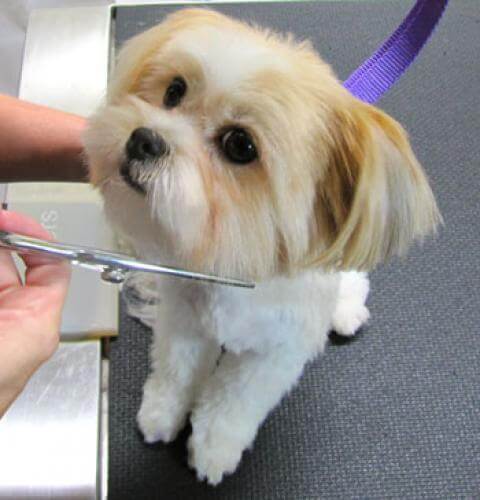
“There are several options for haircuts and trims, that suit the season, especially for long coated breeds like Shihtzu, Lhasa, Persian cats, etc. Doing puppy cuts and teddy cuts and feathering on Goldens and Cocker Spaniels is the best part, to see a complete transformation of the pet. Investing and sticking to the right groomer, trainer and vet is like your three kings from heaven to pet parent,” chuckles Tanmay.

“Grooming may be my occupation, but it surely does not end when I shut the salon, I get calls from pet parents with concerns on health or anything in general, I am always there and happy to help with the knowledge that falls under my expertise. Our salon completes five years in business in May and the best sign from the universe was one of my clients communicated with her cat through an animal communicator and the cat mentioned he likes being groomed by me and enjoys his grooming session. That coming from a cat! best gift ever,” says Tanmay, beaming with happiness.

Grooming is all about bonding When an animal grooms its offspring in the wild it creates a bond of generational love and knowledge. Tanmay Juvekar and his team at The Good Doggie Pet salon and spa aim to create such a bond with a lot of love, care and pampering through their grooming.
Posted on

Grooming is a pleasurable social activity among wild dogs

Primates engage in intense bouts of hair care and flea picking and horses love to nibble each other’s manes and backs.

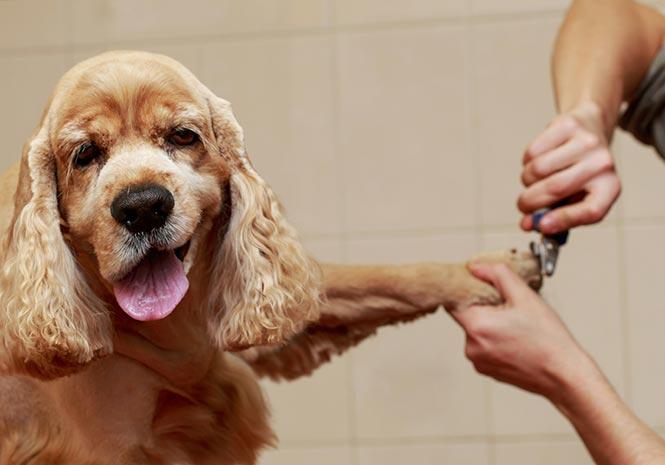
Primates engage in intense bouts of hair care and flea picking and horses love to nibble each other’s manes and backs. Grooming is, therefore, an important behavioural interaction between man and dog. It also establishes us as the dominant one. The dog recognises this dominance when it “grooms” us by licking our hands and exposed skin, if we allow it. Start grooming as early as possible. Check and handle the ears, eyes, teeth, and nails. All dogs need grooming, some more than others. Generally, the longer the hair, the more frequently the grooming will be required. Introduce the brush and comb as a pleasant experience for short but frequent periods while the dog is still a puppy. Do not wait until your dog becomes knotted and tangled or its fur is clogged with dried mud before you think of grooming it. This is the surest way to make your dog hate grooming. Badly knotted fur should only be dealt with by experts. Consult your vet or a grooming specialist. Don´t forget that when nails are very long, cutting should be carried out by a vet because it is easy to cut into a vein in the nail, which causes bleeding as well as being painful. A vet will be able to cauterise it at once should this happen. The best way to keep your dog’s nails in trim is to take lots of walks on hard surfaces. If you do buy a special cutter from a vet or pet shop, only cut the very end of the nail. If the dog is nervous, handle its paws daily until it gets used to this, and then cut the claws on one foot a day.

To read more, subscribe to Buddy Life!

Posted on

Take Fido on a Sniff

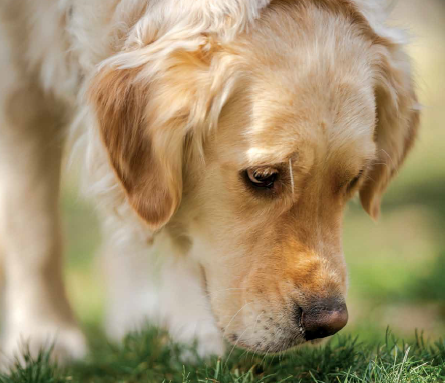
When you walk your dog, should you keep a straight line without stops or do you let the dog stop and sniff? My dog is thrilled to get outside and exercise, but if I don’t try to keep us moving, he’ll stop and sniff every-thing he can find, and he’ll spend a good amount of time doing it. _ Nisha Jagtiani, Gandhinagar

Your pup is not alone in his love for all things odorous. Dogs need to sniff. It’s the primary way they experience the world around them and make sense of everything. They have 50 times as many scent receptors in their noses as humans, and they even have an additional organ above the roof of their mouths called the vomeronasal organ that helps trap scents.

So, asking a dog to go on a walk without sniffing is like asking a human to go for a walk without looking at anything except for what is exactly in front of them. That might be good exercise, but it would be pretty boring, right? To us it can be boring, pointless and at times even frustrating that our dogs are obsessively sniffing everything on their path. However: It is really important that we let them use their noses and the calming effects that come with sniffing.

Some breeds that are more likely to obsessively sniff than others (Border Terriers, Bloodhounds or Beagles are big sniffers). Nervous and anxious dogs also tend to sniff especially intensely. Let’s look at sniffing and the benefits that come with it! It’s not easy to appreciate just how much information dogs can absorb through sniffing. Unfortunately, this is not something we will ever be able to experience ourselves, so abstract knowledge of their superior ability to smell is all we have. Dogs can smell 10,000 – 100,000 times better than we can. They can detect some scents in parts per trillion. In numbers, that means they can notice 1 particle in 1,000,000,000,000 other particles. We utilise the incredible power of our dogs’ noses in many ways. From Search and Rescue dogs that save victims that otherwise would have been lost over drug detection dogs to service dogs that can alert their owners by smelling stuff in advance. But sniffing is not just our dog’s greatest talent. It also is one of their most universally enjoyed past-times. Different breeds of dogs like or dislike different activities. A Saint Bernard may not be thrilled about daily sessions of playing frisbee and an Italian Greyhound may not like to come swimming with you. An Anatolian Shepherd probably doesn’t need to go to the farmers market and greet dozens of people every weekend and a Belgian Malinois is not a lap dog. (This is why it is so important to make sure your dog fits your lifestyle before you acquire him, whether through a rescue or from a breeder. Picking a dog that similar ideas of fun as you have will make your life together so much easier and more joyful.) All breeds however, no matter how big, active or aloof, have one thing in common: They love to sniff.
Posted on

Do The Dew!

Why do dogs have dewclaws? I’m talking to a breeder about a puppy, and he says the dewclaws will be removed. Is it better to remove them or keep them?
Rashmi Seth, Mumbai

All dogs are born with a toenail on the inside of their front legs called the dewclaw. When looking at a dog’s foot the toes that make contact with the ground are essentially the pinky, ring, middle, and index fingers – the dewclaws are like the thumb. Feeling the nail you should be able to move the dewclaw a little (forwards and backwards) and you’ll probably be able to feel the tendons that connect the nail to the leg. The presence of these tendons suggests that the front dewclaw has a function and that removal of the front dewclaw may have lifelong consequences for our dogs.

The dewclaws are often referred to as vestigial appendages, meaning they no longer serve a purpose, but many dog owners would beg to differ on that subject. Dogs haven’t taken to texting yet (give them time), but they use their dewclaws to grasp and manipulate items such as bones and toys, grip ice or other surfaces to pull themselves out of water, and gently scratch an itchy eye. Dogs doing agility may grasp the sides of the teeter with their dewclaws to steady themselves. And canine speedsters such as whippets and border collies use their dewclaws to corner like race cars.

Now some breeders remove the dewclaws because they don’t see any use for them, and because it can be a painful, bloody mess if your dog tears his dewclaw. Dewclaws that stick out, instead of being tight to the paw, can get caught in carpeting or brush or when dogs go after prey such as lizards in rock piles. Usually, the dewclaws are removed when puppies are only a few days old. While painful, it’s not an especially traumatic event, as it would be later in life. When standing, the front dewclaw may not appear to be functional because it doesn’t come in contact with the ground but observing the dewclaw when the dog is in motion tells a different story. Five tendons attach to the dewclaw and play an important role when the dog is in motion. For example: When a dog’s lead leg is on the ground during the gallop or canter, the dewclaw is on the ground to stabilize the carpus. When a dog turns, the dewclaw digs into the ground to support the structures of the limb and prevent torque. Some dogs also use their dewclaws to help them climb trees and out of water, or hold items as they chew. If a dog does not have dewclaws, there is a higher potential for the carpal ligaments to stretch and tear which could result in laxity and arthritis over time (OUCH!). This can then result in more stress being generated through the dog’s carpus, elbow, shoulder, and spine as it tries to compensate for the lack of digit. There are a number of reasons why someone may choose to remove front dewclaws from their dog. So what are some of the reasons behind removal?

Belief that fronts dewclaws are a non-functional digit. For many years, people believed that because the nail of the dewclaw doesn’t touch the ground in standing that it must not have a real purpose and therefore removal of the nail wouldn’t impact the dog in any way. Rear dewclaws, on the other hand, do not have any associated tendons and are considered non-functional (though they may be required for some breed standards to be present).

Breeders fear pet owners won’t cut dewclaws or will miss them. Some breeders fear that pet owners will miss the dewclaw when trimming their dogs nails and risk the nail becoming embedded or ripping.

Cleaner front look. In the conformation ring some breeders and owners feel that the dewclaw detracts from the dog’s overall appearance.

Risk of injury and fear of the dog ripping their dewclaw. Some feel that the dewclaw is an unnecessary risk and remove the nail to prevent potential injury. Keeping the nail short is key to avoiding injury with dewclaws! Like other toenails the nail of dewclaw needs to be trimmed regularly but due to the location of the dewclaw the nail will not make contact with the ground and will not wear down naturally like other toenails. Left untrimmed, the nail can curve down and become ingrown, risking infection. Untrimmed, the nail will also develop a longer quick making it difficult to maintain proper length. Long dewclaws also have a greater risk of catching on things and risk injury. Speaking with vets, you may be surprised at how few dewclaw injuries they see in dogs with well managed nails.

Posted on

A Peek into 143rd Annual Westminster Kennel Club Dog Show


Yogi, a soft coated wheaten Terrier, is seen during masters agility preliminaries at the 143rd  Annual Westminster Kennel Club Dog Show.


Hairy beauty Nadia , Lowchen, is seen wandering during the meet the breed.


An old sheepdog during the meet the breeds. 

Siberian husky is seen during meet the breeds in 143rd  Annual Westminster Kennel club Dog show, reported by USA Today.

To read more, subscribe to Buddy Life!

Posted on

This dog groomer turns pups into perfectly manicured fluff balls — and the photos will make you so happy

It’s not every day that you come across a dog that looks like a sheep.

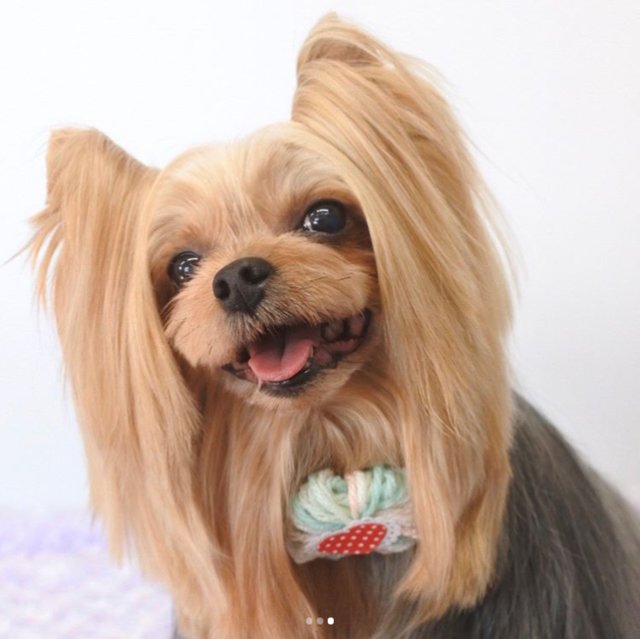
It’s not every day that you come across a dog that looks like a sheep. But for dog groomer Yoriko Hamachiyo, it’s not all that unusual. Hamachiyo owns a dog salon called Yorikokoro in Japan that produces delightfully fluffy pooches.

The work this groomer does is astounding. In fact, it’ll make you want to travel all the way to Japan just so Hamachiyo can do your hair. If you don’t believe us now, you will after scrolling through the below photos of perfectly manicured pups.

Often, the dogs come out of the salon unrecognizable from their former selves. We’re not sure how Hamachiyo managed to make this look cool, but he did.

To read more, subscribe to Buddy Life!

Posted on Leave a comment

Professional grooming is very important for your pets health

The heat and humidity lately have pet owners rushing to see their groomer, because if you’re sweating or uncomfortable in this weather, your pet probably is too.

The heat and humidity lately have pet owners rushing to see their groomer, because if you’re sweating or uncomfortable in this weather, your pet probably is too.

La Crescent Animal Care has professional groomers and they say it’s not just about the haircut.

A day at the pet spa includes grooming of all sorts, such as a nice haircut with a little off the top, or a good shampooing to get that fur velvety soft again. All that special treatment should be provided by someone who does it daily. Kimberly Cook, a nationally certified master groomer at La Crescent Animal Care says, “I started certifying in 1997 and finished up in 2006. I was a competitive groomer from 2009 to 2011.”

Kimberly has the awards and recognition from her national and international competitions to back that up. Now she likes teaching her clients about proper grooming and how often it should be done. Kimberly, with over two decades of experience added, “I try to educate my clients in that it is part of their health care. So we would like you to be on a four to six week schedule.”

Tory Macejik, another pet stylist at La Crescent Animal Care, says that keeping up with grooming could pay off in the long run for your pets health. “For groomers, we pretty much check everything on the dogs body because we give them hair cuts, we give them baths, trim their nails, so we see everything. If a dog has something wrong with its’ paw or an ear infection, or ticks, or fleas, or a growth or something. We always inform the customer.”

But what about the heat and humidity? Should your pet change its’ haircut just because of the warmer season? Kimberly says no and for good reason. She explains by saying, “You don’t have to shave a dog to make it more comfortable. This can actually cause problems with sunshine, UV, and stuff like that. The most important thing is to make sure they have water and keep those paws off the hot pavement. Other than that they can have their same haircut all year long.”

After the grooming, not only will your pet be happier and healthier, but you will be just as happy knowing that it was professionally done and you don’t have to deal with the clean up of all that fur.

An interesting note from the groomers, Tory and Kimberly; they say playing soothing music and having essential oils filling the room really helps to calm the animals nerves. They even have special essential oils for cats. La Crescent Animal Care are busy and currently booking for two weeks out.

To read more, subscribe to Buddy Life!