Posted on

Melody of Memories

In times of tragic loss, several people reach out for their friends and family for comfort, while others keep to themselves. Teejay Raj writes a letter to his most loved Pixie to express his love and share the bereavement.

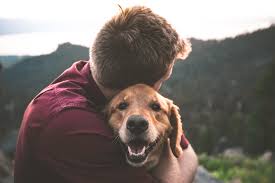
My heart throb Pixie, It’s been only a month since you left us and crossed over the rainbow bridge. I am writing this letter to try and let you go. For some reason, I am unable to find peace. Sometimes it feels like a dream, but I don’t know what kind, good or bad. Half the time it’s like I’m in the middle of a nightmare, but maybe I’ll wake up and see you on my bed. Or maybe I’ll look over right now and see you lying by my chair where you’d always be when I am home.

Sometimes it’s like you were just my imagination. I want to fall asleep again and hope that I re-start that same dream. Was it really nine years ago that I first saw you? We were supposed to have another two or three or even five years to hang out and go on walks, talk, travel, or play, or was that all just a happy dream?

I wept when you passed away, I still cry everyday although I loved you deeply, I couldn’t make you stay. A golden heart stopped beating, Tiny little paws at rest. God broke my heart to only prove he takes the best. You came to my life when I was struggling with a shocking discovery of a lifelong disease with no cure in medical science. This hit me hard. It was difficult for me to come to terms with the unwanted developments. What was more dreadful was the fact that I cannot lead a normal healthy life anymore. My dependency on medicines, constant vigilance on day-to-day simple activities, brought fear and insecurity which gradually led to massive bouts of depression and suicidal tendencies.

During the whole process, I didn’t even realise when I isolated myself from the world. Eventually it led me to attract strong tendencies to hurt myself.

I still remember the feeling when I first saw you as a teenee weenie pup at the adoption centre in Delhi. With you, the conversations were magical – someday I might have to leave this world without getting a chance to tell you goodbye so I just want you to know that all my happiest memories are with you. Promise me, you will never forget all the time we spend together and promise me no one will ever take my place in your heart ever.

The day I adopted you, I found my missing piece – you completed me and made a better person out of me. Thank you for coming into my life and making me happy and content every single day. Maybe I wasn’t the perfect father for you- but I did everything in my power to make you happy.

In a world where everyone is overexposed- you have always taught me to enjoy life in private. If I could give you one thing in life, I would give you the ability to see yourself through my eyes, only then would you realise how special you were to me. Time has made me realise, choosing you was one of the best decisions of my life. You made me believe in myself when everyone gave up on me. You taught me compassion, love without condition or boundaries and caring and sharing. Maybe someday, somewhere we will meet again.

But for now, I will keep you safe in my thoughts like a gem well-kept in a treasure. I will always see you as long as my heart beats. When I walk around the house, I feel like something is missing. You aren’t there to greet me, No tail wagging, no tongue lolling. Life will never be the same. It is a quiet empty home- my tiny little girl now sleeps peacefully. And it hits me at random throughout the day. I went over to the terrace of our block last Tuesday to look for something, and my dear girl, I was thinking of you. I had to sit down and gather myself before I could get back to looking. There’s something I wanted to talk to you about, thank you for the nine years of being the best girl. It was a joy to grow up with you and it still breaks my heart that I won’t be seeing you anymore.

I want to read you the best quote I have ever heard, “You don’t know what you have, until it’s gone.” Truth, is you know exactly what you have but you just never thought, you would lose it. You have given me all your love and for staying as long as you possibly could. I never thought it was possible to love someone so deeply and so selflessly. You’ve taught us so many things without saying a word. You’ve changed me into a completely different human being. and now that you’re gone, I feel so lost and confused about my very own existence.

As far as I can see, grief will never truly end, it may become less shearing over time. Some days the pain does feel sharp. Grief will last as long as love does forever simply the way your absence pains my heart. A deep longing, along with deeper love…..someday the heavy rains lash and the next day the tide may recede. It will be an ebb and flow, the constant dance of pain, sorrow and sweet love.

I don’t often ask for help; I handle my own healing. When I do need someone that’s when you know it’s bad and I am literally struggling emotionally and mentally. You were so little when we got you and I was so young. Your passing symbolizes the end of an era, the end of very sweet memories. I love you Pixie, may you find happiness and lots of time to run and play on the rainbow. I miss you so much already. I am hoping this last letter to you gets rid of my heartache but it’s not working. Hopefully, I will find you in my dreams and thoughts and heal from this loss. You will always be “Daddy’s Little Girl”. I promise to see you on the other side when the time is right.

Unexpected Goodbye Forever in My Heart my baby.

Posted on

Here’s to cute economy – for better, or for worse

The cute economy is not only a network of cute content that people participate in making, sharing and circulating but also a multibillion-dollar business

Was one of the last DMs you received on Instagram a video of ducklings wearing flowers for hats, or floating in a sink full of water? An overly zealous cockapoo dancing on the couch with his human? A husky throwing a temper tantrum because he couldn’t come indoors?

If sharing cute animal content is your love language, you’re not alone — you are part of a bigger cultural phenomenon called the cute economy. From Buddy Mercury the beagle, who stands on his hind legs while howling and playing the piano, to fat cats that are embracing their curves, there’s no shortage of animal accounts on the social media platform. How widespread are these sorts of accounts, for people who perhaps don’t understand what we’re talking about? They are extremely widespread. If you search on Instagram #catsofinstagram or #dogsofinstagram, with cats and dogs obviously being the most prominent, you’ll get millions and millions of hits.

The cute economy is not only a network of cute content that people participate in making, sharing and circulating but also a multibillion-dollar business due to creators’ ability to monetize their content.

What is the cute economy?

Media researcher James Meese defines the cute economy as the creation and circulation of user-generated content depicting entities (animals, babies, plants, objects, etc.) that are perceived to be cute. Still not clear enough? Well, let’s give the term a proper definition: the cute economy refers to revenue being generated off of content that features cute and adorable things – typically cats, dogs, or babies; not to imply that we consider any of these three categories as “things”, but let’s keep moving on. With cat videos having more or less made over half of YouTube’s lifeblood back in the early-to-mid 2010’s, and Instagram full to the brim with dog accounts, there’s a lot of love to go around. Of course, where there’s attention being paid, there’s an investor looking to cash in.

While researchers and journalists have shed light on this social media phenomenon, sharing cute animal photos is not new. Over 100 years ago, photographer Harry Whittier Frees was creating novelty postcards of anthropomorphic animals.

The cute economy truly formed after ad revenue became a more accessible and mainstream form of monetary gain. With nearly all social media platforms nowadays being venues via which users can make a living, Instagram accounts suddenly had more worth to them. With profiles focusing on cute entities rolling in followers and engagement, the ad revenue they raked in was amazing, and now everyone’s looking to get their pet celebrity famous. Our research focuses on the specific but sizable segment of the cute economy that circulates pet content. We find the cuteness of pet content is depicted through the following archetypes: goofy or silly animals, small (aka “smol”) or young animals, inter-species content, child-animal pairs, extreme sizes and ratios (very small or very big), unusual looks and animal behaviours that we construe as human-like. While some pet accounts have more followers than politicians and celebrities to generate their own virality — like Jiff Pom at 9.9 million, Nala at 4.3 million, Doug the Pug at 3.9 million and Juniper at three million — another catalyst for the circulation of cute pet content is meme or feature accounts that display curated reused content like Matt Nelson’s omni-platform enterprise WeRateDogs.

Much like mom influencers who create social media accounts for their human babies, pet parents have also been creating social media accounts to show off their domesticated companions. Given that people have been humanising their pets since before the dawn of the internet, a pet’s social media presence is a form of pretend play. Pet account managers humanise their fur babies visually by using clothing, accessories or props. They also humanise their pets textually, by providing them with a human-like voice.

The content creator will even add species-specific lexicon like cat speak, also known as meowlogisms, or infantilized speech such as lolspeak — the Internet slang originating from lolcat memes.

Still, cuteness has a threshold. Several participants we spoke to for our research explained that while anthropomorphism can be cute, if it appears forced or inauthentic, it becomes perceived as the opposite of cute.

And many content creators have caught on to this curation of cute and ensure their content doesn’t deteriorate into cringe. One of our interviewees (who manages an account for her tortoise) expressed her discomfort and uncertainty over creating captions. She says it’s hard finding “the balance there between, it being cringey and entertaining.”

What does consume and sharing cute content do?

Nurturing relationships: cute content is shared because it depicts a relatable experience to its appreciators. It also serves as a gift of care and a sign of closeness in a relationship. One of our interviewees knows her stepdaughter is a fan of horses, and specifically sends horse content to her. We find that this gesture signals that the sender truly knows what warms the receiver’s heart.

Aspiring for a future: Consuming cute content can also be aspirational. For instance, one of our interviewees hopes to adopt a dog when she moves to a pet-friendly building. She is dedicated to following accounts that portray her aspirational lifestyle like The Golden Ratio.

Vicarious interspecies connection: Cute content fulfils its consumers because it allows them to interact with animals from a distance, without the need to allocate any resources for taking care of them. One of our interviewees, an otter lover, insatiably consumes online otter content but does not wish or have the skills to domesticate one.

For a cause: Cute content can also serve as a medium of change. A creator or appreciator may share content to increase awareness about a cause or to change the opinion of others. For example, one of our interviewees manages her domesticated duck’s account which depicts her duck being friendly, loving and having a unique personality, much like any traditional domestic animal. Through her duck account, this pet parent aims to teach her followers about the harms of speciesism, and advocates for a cruelty free coexistence with all animals.

Cute for good: Research has shown that watching cute animal videos is good for our own mental health. Whether you are a creator, appreciator or both, cute content is a conversation starter and relationship facilitator: it breaks ice when people lack topics to discuss, or when they wish to let others know that they care.

Given people’s inability to get together as frequently and intimately due to the pandemic, we’ve been able to share our love from a distance using these small tokens of care. Society is fortunate that technology enables people to strengthen connections. But, because we can’t have nice things, there exists a dark side of the cute economy so be mindful of sharing content of animals who might have been exploited.

Posted on

Canines Can Count Says Study

Much like humans dogs can sense how many meals they are provided.

New York, December 19, 2019: Dogs may not be able to count to 10, but even the untrained ones have a rough sense of how many treats you put in their food bowl. That’s the finding of a new study, which reveals that our canine pals innately understand quantities in much the same way we do.

The study is “compelling and exciting,” says Michael Beran, a psychologist at Georgia State University in Atlanta who was not involved in the research. “It further increases our confidence that are ancient and widespread among species.”

As reported by Sciencemag.org the ability to rapidly estimate the number of sheep in a flock or ripened fruits on a tree is known as the “approximate number system.” Previous studies have suggested monkeys, fish, bees, and dogs have this talent. But much of this research has used trained animals that receive multiple tests and rewards. That leaves open the question of whether the ability is innate in these species, as it is in humans.

In the new study, Gregory Berns, a neuroscientist at Emory University in Atlanta, and colleagues recruited 11 dogs from various breeds, including border collies, pitbull mixes, and Labrador golden retriever mixes, to see whether they could find brain activity associated with a sensitivity to numbers. The team, which pioneered canine brain scanning (by getting dogs to voluntarily enter a functional magnetic resonance imaging scanner and remain motionless), had their subjects enter the scanner, rest their heads on a block, and fix their eyes on a screen at the opposite end (see video, above). On the screen was an array of light gray dots on a black background whose number changed every 300 milliseconds. If dogs, like humans and nonhuman primates, have a dedicated brain region for representing quantities, their brains should show more activity there when the number of dots was dissimilar (three small dots versus 10 large ones) than when they were constant (four small dots versus four large dots).

Eight of the 11 dogs passed the test, the team reports today in Biology Letters. Intriguingly, slightly different brain regions lit up in each dog, likely because they were different breeds, Berns says.

“The findings aren’t surprising” because “several studies have demonstrated” this ability “behaviorally” in dogs,” says Krista Macpherson, a canine cognition researcher at Western University in London, Canada. Still, she says, the study is likely to be of interest to dog trainers, because it suggests dogs may pay more attention to the number of items—as a reward, for example—presented rather than the volume of items.

Dogs and humans are separated by some 80 million years of evolution, Berns notes. So this discovery “provides some of the strongest evidence yet” that most mammals are born to count, if not to do higher math.

To read more, subscribe to Buddy Life!

 Explore More on BuddyLife Magazine:

Posted on

American Scientists to Conduct Largest Ever Canine Study

They are looking for 10,000 dogs for the study. It will shed light on human longevity too.

Washington, November 14, 2019: Can old dogs teach us new tricks? Scientists are looking for 10,000 pets for the largest-ever study of aging in canines. They hope to shed light on human longevity too.The project will collect a pile of pooch data: vet records, DNA samples, gut microbes and information on food and walks. Five hundred dogs will test a pill that could slow the aging process.

“What we learn will potentially be good for dogs and has great potential to translate to human health,” said project co-director Daniel Promislow of the University of Washington School of Medicine.If scientists find a genetic marker for a type of cancer in dogs, for instance, that could be explored in humans.For the study, the dogs will live at home and follow their usual routine. All ages and sizes, purebreds and mutts are welcome.

Owners will complete periodic online surveys and take their dogs to the vet once a year, with the possibility of extra visits for certain tests. Their welfare will be monitored by a bioethicist and a panel of animal welfare advisers.The five-year study was formally launched Thursday at a science meeting in Austin, Texas. The National Institute on Aging is paying for the $23 million project because dogs and humans share the same environment, get the same diseases and dogs’ shorter lifespans allow quicker research results, said deputy director, Dr. Marie Bernard. The data collected will be available to all scientists.

Leslie Lambert of Parkville, Maryland, enrolled her 11-year-old rescue dog, Oscar, in an early phase.“I would selfishly like to have him around forever,” said the 33-year-old veterinarian. “Unfortunately, he ages much, much faster than I do.” But she’s torn by the prospect of an anti-aging pill because so many abandoned dogs go without care. “Just because we can, should we?”

Compared to farm dogs in the past, today’s pampered pups live longer and get more geriatric diseases, said veterinarian Dr. Kate Creevy of Texas A&M University, the project’s chief scientific officer.Yet no standard measures exist for frailty or prognosis in sick, aged dogs, Creevy said. The project will develop those tools.One dog year is roughly equal to seven human years, Creevy said, but that varies by breed. Large dogs have shorter lifespans than smaller dogs. A Great Dane’s lifespan is about half that of a toy poodle’s.

That makes large dogs better test subjects for the pill. Dogs weighing at least 40 pounds will be eligible for an experiment with rapamycin, now taken by humans to prevent rejection of transplanted kidneys. The drug has extended lifespan in mice. A small safety study in dogs found no dangerous side effects, said project co-director Matt Kaeberlein of the University of Washington.

Human devotion to dogs drives projects like this, the scientists said. Owners will gladly fill out surveys, send records and submit a pup’s poop for analysis if they think it will help all dogs live longer, even if it won’t help their pet. “People love dogs,” said Promislow, who normally studies aging in fruit flies. “No one has ever come up to me and said, ‘Oh my goodness, I just love fruit flies.’”

Promislow’s mixed breed, 14-year-old Frisbee, will not participate to prevent a conflict of interest.“It’s too bad because she’s a terrific example of a really healthy ager,” he said.

-Story by AP

To read more, subscribe to Buddy Life!

Posted on

Survey Finds Over Half of Dog Owners Kiss Their Pooches More Than Their Partners

Many preferred to sleep with their dogs instead of partners.

New York, July 11, 2019: Riley’s Organics is an organic dog treat company, recently conducted a survey to see just how close pet parents are to their dogs.The company asked dog owners across the U.S. how much TLC they give their canines, and found that dogs often get more love than humans.

According to Riley’s results, 52% of respondents admitted to kissing their dog more than their partner. This trend continued into the respondents’ sleep habits. Out of those surveyed, 52% said they prefer to sleep in bed with their dog over their partner.These numbers, while likely surprising to some who don’t own pets, make more sense when you learn that 94% of pet parents surveyed by Riley’s said they consider their dog to be one of their best friends. Significant others can’t compete with the overwhelming love of a true blue BFF.


(Story by People)

To read more, subscribe to Buddy Life!

Posted on

Beware! Your Stress is Passing to Your Dog, Says Study

Researchers focused on 58 people who own border collies or Shetland sheepdogs.
Stockholm, June 9, 2019: A dog and his parents relation goes far beyond of being a loyal friend. If a recent study is to be believed,  when dog owners go through a stressful period, they’re not alone in feeling the pain, their fur babies feel it too, a new study suggests. Dog owners experiencing long bouts of stress can transfer it to their dogs as per the recent study published in Scientific Reports.

In the study titled “Long-term stress levels are synchronized in dogs and their owners.” swedish researchers focused on 58 people who own border collies or Shetland sheepdogs. They examined hair from the dog owners and their dogs, looking at the concentrations of a hormone called cortisol, a chemical released into the bloodstream and absorbed by hair follicles in response to stress. As reported by media, Depression, excessive physical exercise and unemployment are just a few examples of stress that can influence the amount of cortisol found in your hair, said Lina Roth of Linkoping University in Sweden.

Roth and her team found that the patterns of cortisol levels in the hair of dog owners closely matached that found in their dogs in both winter and summer months, indicating their stress levels were in sync. She thinks the owners are influencing the dogs rather than the other way around because several human personality traits appear to affect canine cortisol levels. Many other factors could affect a person or dog’s stress levels and possibly even dampen them, she said. Buttner said cortisol levels don’t necessarily indicate “bad” stress. They instead can indicate a good experience like getting ready to go for a walk, she said. Roth and her team plan to investigate whether other dog breeds will react to their owners the same way. The researchers don’t know what causes the synchronization in cortisol levels between humans and their pups. But a hint might lie in the fact that the link is stronger with competitive dogs than in pet pooches. The bond formed between owner and competitive dogs during training may increase the canines’ emotional reliance on their owners, she said. That in turn could increase the degree of synchronization.But why do people influence their dogs rather than vice versa? Perhaps people are “a more central part of the dog’s life, whereas we humans also have other social networks,” Roth said in an email.

To read more, subscribe to Buddy Life!

Posted on

Children Who Grow-up with Dogs Have Lower Blood Pressure, Shows Study

Clinical trial had a sample size of 229 children, ages six to nine, chosen from two different schools in the Shoham area, just southeast of Tel Aviv.

Jerusalem, June 6, 2019: Being with dog has so many health benefits, moreover it is good for our overall health. A new Israeli study also confirms this fact. The study authored by Dr. Michel Balaish, Director of the Veterinary Institute at the Ministry of Agriculture & Rural Development, has discovered that the blood pressure of children who were raised with a dog in the house were lower than children who were raised without one, according to Israeli media.

It is wildly known that having an animal in the house can greatly reduce stress and anxiety among pet owners and can even lead to a longer life. In fact, some doctors even prescribe therapy dogs or recommend that a patient adopt an animal if their anxiety or depression is severe enough, as opposed to normal medications.

As per the report by The Jerusalem Post, although it has been discovered in past studies that introducing a dog into a room will immediately reduce the blood pressure of a young child, there have been no studies conducted that have determined if children growing up with a dog in the house do in fact have lower blood pressure, according to Israel Hayom.

The observational clinical trial had a sample size of 229 children, ages six to nine, chosen from two different schools in the Shoham area, just southeast of Tel Aviv. The children’s blood pressure were checked at three different times throughout the day – during class, during relaxation and during times of stress (such as reading an excerpt from a text to the class). The process was tracked through questionnaires and daily diaries the parents of the children kept throughout the process.The blood pressure of children who raised a dog had an average measurement of 4.5mm Hg during times of stress, whereas the rate dropped as expected during times of relaxation, the difference was not significant to the findings.

“The study shows that raising a dog at home is associated with low blood pressure during stressful situations in children and that owning a dog has added health value,” Dr. Blaish explained.In a related development, UK-based researchers found in that by combining information from different senses dogs form abstract mental representations of positive and negative emotional states in people.

“Our dog Bamba gives me a sense of security and good feeling. I feel really happy with her and when I’m sad she comforts me. It’s fun to play and hug her. Sometimes, when I have nothing to do, I just lie with her. I have never lived without a dog in the family and I can not imagine my life any differently,” said eight-year-old dog-owner Yaara.

Yaara’s statement can be confirmed by previous studies in the past that have shown that dogs can differentiate between human emotions from signs such as facial expressions. However, this is not the same as emotional recognition, according to Dr Kun Guo, from the University of Lincoln’s School of Psychology.“This is the first empirical experiment that will show dogs can integrate visual and oratory inputs to understand or differentiate human emotion as dog emotion,” Kun told Reuters.

Experiments were carried out by a team of animal behavior experts and psychologists at the University of Lincoln, UK, and University of Sao Paulo, Brazil.They presented 17 untrained domestic dogs with images and sounds conveying either positive or negative emotional expressions in humans and dogs.The dogs used in the testing were unfamiliar with the procedure; avoiding any chance of conditioning. The vocalization sound accompanying the human faces was also unfamiliar.

“We used Portuguese to British dogs so they weren’t habituated with any words, they weren’t familiar with any words. So, we wanted to see if the dogs could assess the emotional content of the human voices and whether they would actually discriminate the emotional information within them,” explained Natalia De Souza Albuquerque, a PhD student in experimental psychology.

The results, published recently in the Royal Society journal Biology Letters, found that dogs spent significantly longer looking at the facial expressions which matched the emotional state of the vocalization, for both human and canine subjects.“What we found is that when dogs were hearing positive sounds they would look longer to positive faces, both human and dog. And when they were listening to negative sounds they would look longer to negative, angry faces,” added De Souza Albuquerque.The study shows that dogs can integrate two different sources of sensory information into a perception of emotion in both humans and dogs. This means dogs must have a system of internal categorization of emotional states. Among animal groups, it’s a cognitive ability previously only evidenced in primates.

To read more, subscribe to Buddy Life!

Posted on

Study Identifies Dog Breeds with Highest Chances of Biting Children

Annually 4.7 million people in the United State are bitten by dogs out of which 20% require medical care. Among these predominately children ages 5 to 9 years.


Washington, May 25, 2019:  Researchers have identified certain dog breeds which possess highest biting threat to children. New research at The Ohio State University College of Medicine and The Ohio State University Wexner Medical Center identifies dog breeds and physical traits that pose the highest risk of biting with severe injury. Doctors want parents of young children to use this information when deciding which dog to own.

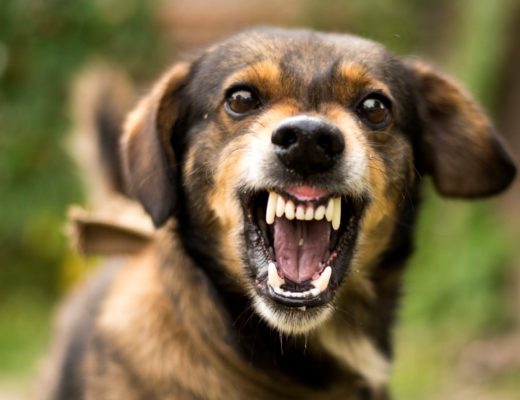
The study, published in the International Journal of Pediatric Otorhinolaryngology, explores the risks of dog bite injuries to the face in children and bite severity by breed, size and head structure. Researchers found pit bulls and mixed breed dogs have the highest risk of biting and cause the most damage per bite. The same goes for dogs with wide and short heads weighing between 66 and 100 pounds. “The purpose of this study was to evaluate dog bites in children, and we specifically looked at how breed relates to bite frequency and bite severity,” said Dr. Garth Essig, lead author and otolaryngologist at Ohio State’s Wexner Medical Center. “Because mixed breed dogs account for a significant portion of dog bites, and we often didn’t know what type of dog was involved in these incidents, we looked at additional factors that may help predict bite tendency when breed is unknown like weight and head shape.”
According to Science Daily, to assess bite severity, researchers reviewed 15 years of dog-related facial trauma cases from Nationwide Children’s Hospital and the University of Virginia Health System. They looked at wound size, tissue tearing, bone fractures and other injuries severe enough to warrant consultation by a facial trauma and reconstructive surgeon and created a damage severity scale. Researchers also performed an extensive literature search from 1970 to current for dog bite papers that reported breed to determine relative risk of biting from a certain breed. This was combined with hospital data to determine relative risk of biting and average tissue damage of bite. “There’s an estimated 83 million owned dogs in the United States and that number continues to climb,” said Dr. Essig. “We wanted to provide families with data to help them determine the risk to their children and inform them on which types of dogs do well in households with kids.”
According to the Centers for Disease Control and Prevention, 4.7 million people in the United State are bitten by dogs annually, and 20 percent of these victims require medical care for their injuries. Those who require treatment after dog bites are predominately children ages 5 to 9 years. “Young children are especially vulnerable to dog bites because they may not notice subtle signs that a dog may bite,” said Dr. Charles Elmaraghy, study co-author, associate professor of otolaryngology at Ohio State’s College of Medicine and chief of otolaryngology at Nationwide Children’s Hospital. “We see everything from simple lacerations to injuries in which there’s significant tissue loss that needs grafting or other reconstructive surgery.” Dr. K. Craig Kent, dean of The Ohio State University College of Medicine said, “This research highlights a significant public health issue and provides a new decision-making framework for families considering dog ownership.”
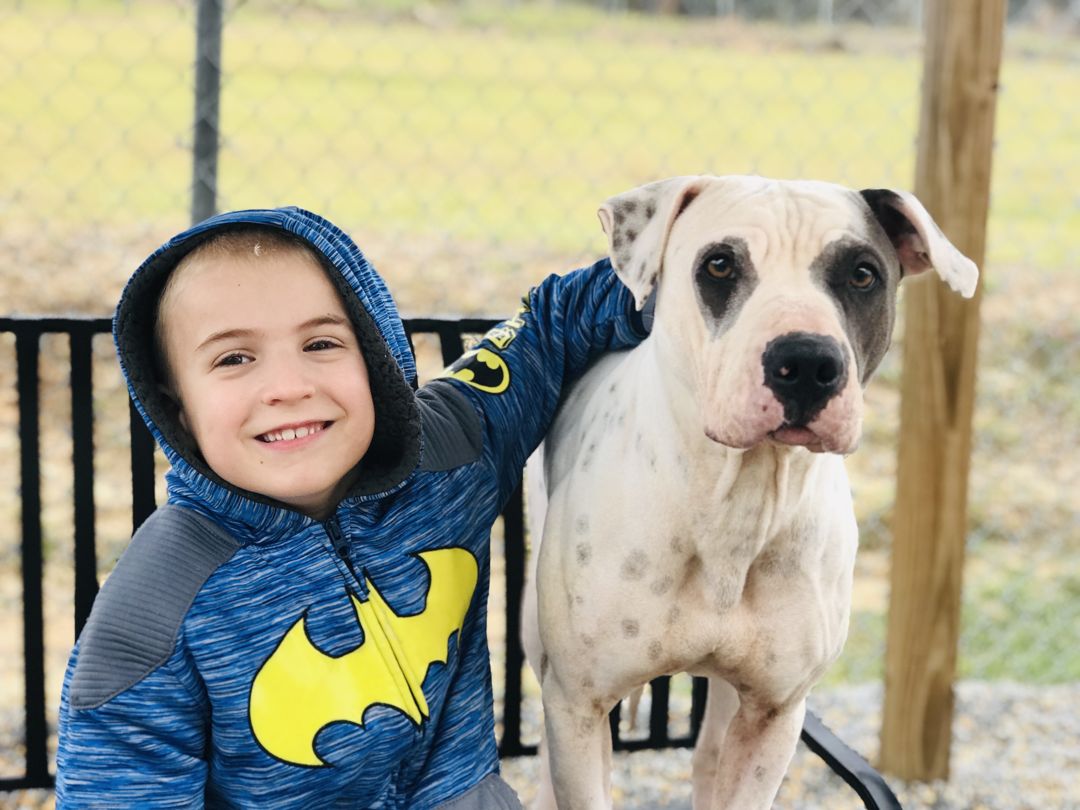
The circumstances that cause a dog to bite vary and may be influenced by breed behavior tendencies and the behavior of the victim, parents and dog owner. “Children imitate their parents,” said Meghan Herron, associate professor of veterinary clinical services at Ohio State’s College of Veterinary Medicine. “Be a model for your child and avoid any confrontational or risky interactions that might trigger a fear or fear aggression response if the child were to mimic it. This includes harsh reprimands, smacking, pushing off of furniture and forcibly taking away an item.”

To read more, subscribe to Buddy Life!

Posted on

Really! There is Genetic Difference Between Those Who Own Dog and Those Who Don’t

Identical twins display much higher rates of agreement in the area of dog ownership compared to non-identical twins.

London, May 17, 2019: A surprising new study shows light on the difference in genetic blueprint explains more than 50% of the variation between those who choose to own dogs and those who don’t.

While dogs, being the earliest domesticated animals, are thought to have been part of the human household for 15,000 years, not all humans own them. The reason for this difference is explained to a very large extent by heritable factors, namely, the DNA make-up of the individual.

The current Swedish-British study exploited the largest data registry on twins in the world, i.e. the Swedish Twin Registry, to tease out the differing influences of environment and genetics on dog ownership. Twin studies are particularly suited for this type of research, since identical twins have exactly the same DNA while non-identical twins share about half their genetic make-up.

In this study, the researchers looked at over 35,000 pairs of twins. They first examined the concordance of dog ownership between the two members of each twin pair, and then classified this based on whether the twins were identical or not.

They found that identical twins display much higher rates of agreement in the area of dog ownership compared to non-identical twins. This led them to conclude that the human behavior of choosing to own a dog is largely dictated by one’s genes.

Lead author Tove Fall says the study findings could help understand many facets of how and why dogs and humans have had such a long history of association.

Many older studies have reported on the benefits of having a dog, such as an improved sense of well-being and better health. With the current research, the reasons for such benefits appear, in part at least, to depend on the genetics of the individual, as co-author Carl Westgarth points out.

The question as to which genes are related to dog ownership is now open, and will be the focus of future studies. In addition, researchers will try to work out how these genes are linked to other personality traits, and to factors that also determine the choice of owning a dog, like allergy

To read more, subscribe to Buddy Life!

 Explore More on BuddyLife Magazine:

Posted on

Canadians Consider Canines while taking Financial Decisions

76 per cent of dog people prefer to spend time with their dogs over people.

Toronto, May 3, 2019: Canadians do not value their dogs less than their family members. A recent study says like other expenses they consider their dog’s expenditure in their major financial decisions. The largest network of 5-star pet sitters and dog walkers Rover.com released “The Secret Lives of Cat People and Dog People” report, which investigates how having a cat, a dog or both affects Canadians and the relationships we cultivate with our pets. The data revealed that cats and dogs occupy a familial role in pet parent’s lives, affecting purchasing and financial decisions like buying a home (42 per cent), buying a car (40 per cent) or choosing furniture (37 per cent).

Rover’s report also found that pet parents love their pets dearly, sometimes even more than family and friends. In fact, 50 per cent of cat people prefer to spend time with their cats versus people, and 76 per cent of dog people prefer to spend time with their dogs over people.

Report Says
The Secret Lives of Cat People and Dog People report includes responses from more than 800 pet owners across Canada. The report included dog owners, cat owners, and those who own both. Overall, the data revealed that the human-dog relationships and human-cat relationships are different, but equally devoted. Dog people are 39 per cent more likely than cat people to admit they are bothered when their pet cuddles with other people.Cat people admit to talking to their pets 6-10 times a day, whereas dog people talk to their pets 1-5 times per day.

Dog people love singing to their pets, with 88 per cent making up new songs all the time or singing to their pet at least sometimes. Along with that Cat and dog people love to take pictures of their pets and 75 per cent indicate that up to half of the photos on their phone are of their pets. Further the majority of both dog (84 per cent) and cat (72 per cent) people admit they say hello to their pet before their family when they get home.Nearly three quarters (72 per cent) of cat and dog people said their pets are spoiled and always take over the couch or bed. Kitten cuddles: Cat people varied between 1-2 hours (42 per cent) and 3-7 hours (28 per cent) of cuddling per day, whereas dog people were firmly 1-2 hours a day (67 per cent).

Pet-Parent Bonding
The majority (74 per cent) of both dog and cat people have 1-5 nicknames for their pet. Dog people have a much harder time sleeping in, with 74 per cent finding their dogs always wake them up in the morning, compared to just 36 per cent of cat people. Beware of shedding: Dog people take the lead (87 per cent) in owning lint rollers, followed by 69% of cat people.

To read more, subscribe to Buddy Life!